
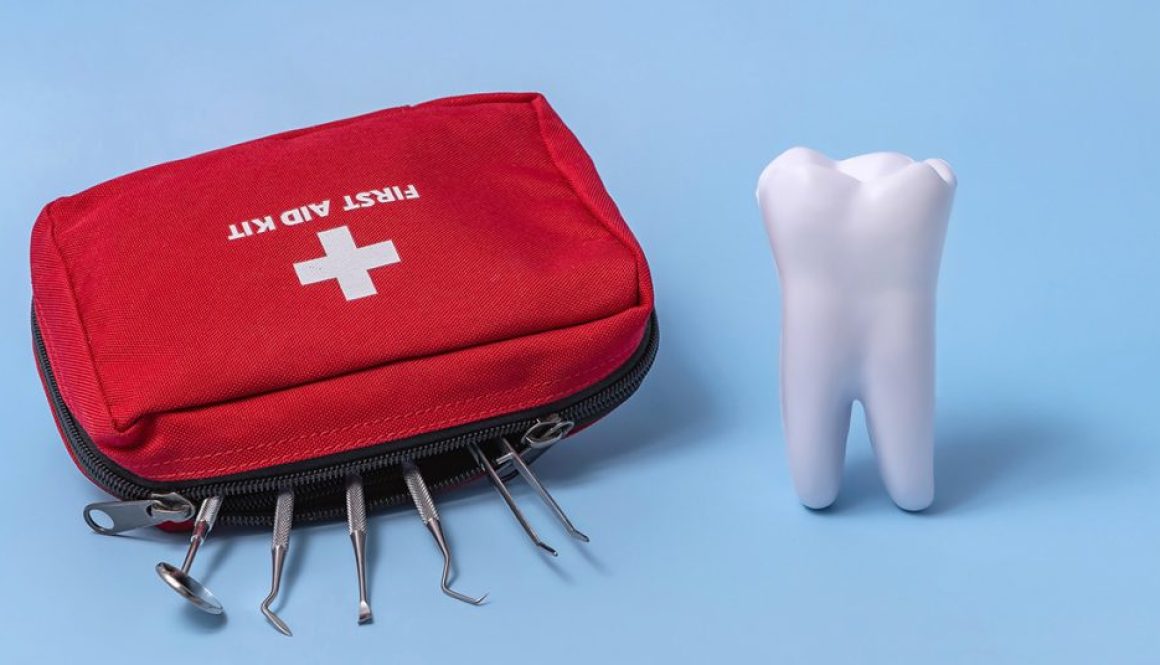
What To Do in a Dental Emergency – Advice from Your Cambridge Dentist
Dental emergencies can happen suddenly and often at the most inconvenient times. Whether it’s severe toothache, a knocked-out tooth or a broken crown, knowing what to do can make all the difference.
At Dentistry & More in Cambridge, we offer prompt emergency dental appointments to relieve pain and prevent further complications. Here’s what you should do if you experience a dental emergency.
What Counts as a Dental Emergency?
You should contact a dentist urgently if you experience:
- Severe or persistent toothache
- Facial swelling
- Bleeding that doesn’t stop
- A knocked-out tooth
- A cracked or broken tooth causing pain
- Signs of infection (swelling, fever, bad taste in the mouth)
If you have swelling affecting your breathing or swallowing, attend A&E immediately or call 999.
1. Severe Toothache
Toothache is often caused by decay, infection or inflammation of the nerve.
What you can do:
- Rinse your mouth gently with warm salt water
- Take over-the-counter pain relief (such as paracetamol or ibuprofen) as directed
- Avoid very hot, cold or sweet foods
- Contact us as soon as possible
Do not place aspirin directly onto the gum or tooth.
Persistent toothache rarely resolves on its own and usually requires professional treatment.
2. Knocked-Out Tooth (Adult Tooth)
Act quickly — time is critical.
What to do immediately:
- Hold the tooth by the crown (the white part), not the root.
- If dirty, rinse gently in milk or saline — do not scrub.
- If possible, place it back into the socket and bite down gently on clean gauze.
- If you cannot reinsert it, store the tooth in milk or inside your cheek.
- Contact us immediately — ideally within 30–60 minutes.
The faster you are seen, the better the chance of saving the tooth.
(If it’s a baby tooth, do not attempt to reinsert it.)
3. Broken or Chipped Tooth
If a tooth breaks:
- Rinse your mouth with warm water
- Keep any fragments if possible
- Apply a cold compress to reduce swelling
- Avoid chewing on that side
- Book an urgent appointment
Treatment may involve smoothing, bonding, a filling or a crown depending on the damage.
4. Lost Crown or Filling
If a crown or filling falls out:
- Keep the crown safe
- Avoid chewing on the affected side
- Temporary dental cement (from a pharmacy) may help until you’re seen
- Arrange an appointment promptly
Leaving it untreated can lead to further damage or infection.
5. Dental Abscess or Swelling
A dental abscess is a serious infection that requires urgent treatment.
Signs include:
- Swelling in the face or jaw
- Severe throbbing pain
- Fever
- Bad taste in the mouth
Contact us immediately. In severe cases involving difficulty breathing or swallowing, attend A&E.
How We Help at Dentistry & More
At Dentistry & More in Cambridge, we prioritise dental emergencies and aim to see patients as quickly as possible.
Our focus is to:
- Relieve pain
- Diagnose the underlying issue
- Provide immediate treatment where appropriate
- Prevent further complications
Need an Emergency Dentist in Cambridge?
If you’re experiencing a dental emergency, don’t wait.
???? Call our Cambridge practice on 01223 662132 for urgent advice and to arrange an emergency appointment.
Prompt treatment can often save a tooth and prevent more complex treatment later.