Bleeding Gums: Do I Need to Do Anything?
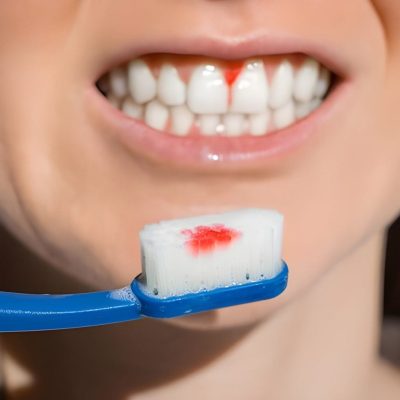
Noticing blood on your toothbrush or in the sink after brushing or flossing can be unsettling. Bleeding gums are a common issue, but they’re also a sign that something may need your attention. The good news is, often the fix is quite simple. But, giving the problem a miss can lead to bigger dental worries down the line.
Common Reasons for Bleeding Gums
1 – Gingivitis
This is basically the first stage of gum disease. It is caused by plaque accumulation along the gumline. Gingivitis frequently leads to redness, swelling, and bleeding gums, particularly when you brush your teeth.
2 – Poor Oral Hygiene
If you’re not brushing and flossing regularly, plaque and tartar can accumulate. This irritates the gums and can lead to bleeding. A consistent routine makes all the difference.
3 – Heavy Hard Brushing
Sometimes, we can be a bit too enthusiastic. Brushing vigorously with a hard-bristled toothbrush can actually damage your gum tissue and cause bleeding.
4 – Just Started Flossing?
If you have just added dental flossing to your oral hygiene routine or you haven’t done it in a while, some bleeding at first is quite normal. Stick with it, your gums will usually toughen up and stop bleeding as they get healthier.
5 – Vitamin Deficiencies
Your gums need good nutrition too. A lack of vitamin C or vitamin K can contribute to gum problems. Eating a balanced diet packed with leafy greens and fresh fruit can help.
6 – Underlying Health or Medications
Certain health conditions, like diabetes, or medications like blood thinners, can make gums more prone to bleeding. If this sounds like you, it’s worth discussing with your GP or dentist.
When Should You Be Concerned?
Do your gums only bleed now and then? Probably nothing to panic about especially if things improve after a few days of better brushing and flossing. However, it’s definitely time to take action if:
- The bleeding sticks around for more than a week
- Your gums are swollen, really red, or tender to touch
- You notice persistent bad breath or strange taste in your mouth.
- Your can feel your teeth start to get wobbly.
- You have other underlying health conditions that could be affecting your gums.
So, What Can You Do About It?
Well the good news it, there is plenty that you can do to help your bleeding gums:
1 – Brush Like a Pro
Brush twice a day with a soft-bristled toothbrush and fluoride toothpaste. Floss daily and consider using an antiseptic mouthwash.
2 – Come To See Us!
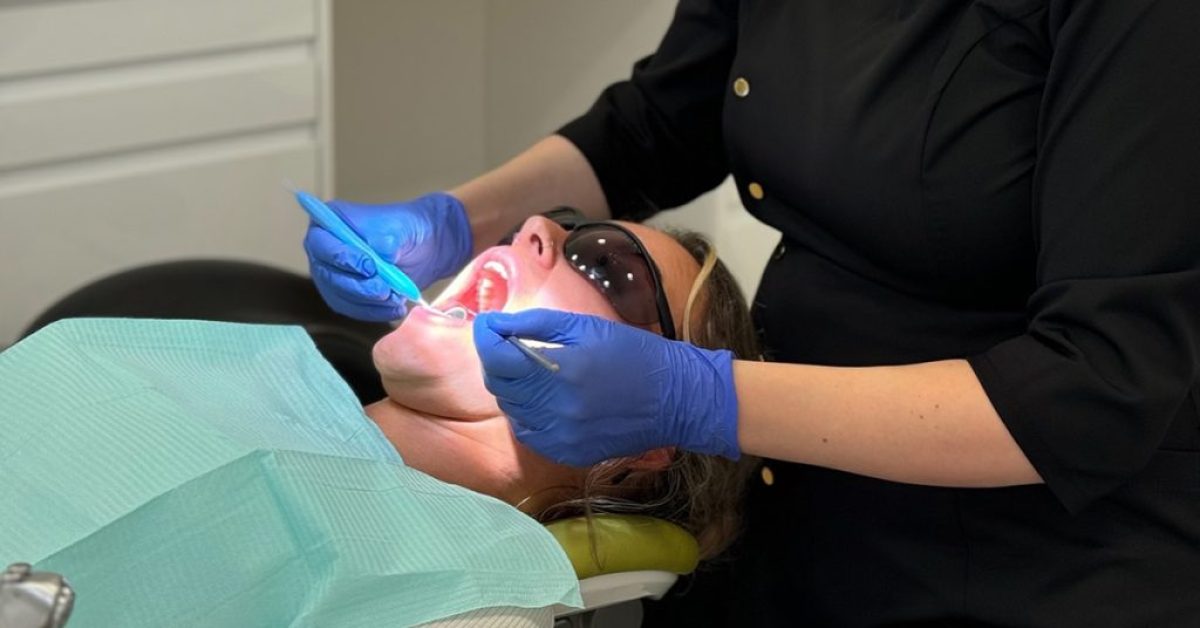
A professional hygiene clean removes hardened tartar that home brushing just can’t shift. Plus, we can check for early signs of gum disease, also known as gingivitis.
3 – Eat a Gum-Friendly Diet
You can add more foods rich in vitamin C like citrus fruits and peppers and vitamin K like kale and spinach to your plate.
4 – Ditch the Tobacco
Smoking or chewing tobacco is really irritating for your gums and significantly bumps up your risk of gum disease.
5 – Manage Underlying Health Conditions
If you have something like diabetes or you’re on medication that affects bleeding, it’s really important to work with your healthcare provider to manage these effectively.
Bottom Line
It might seem like a minor issue if your gums bleed less often. A little bit of extra care, or a quick trip to the dentist, can make a big difference and help prevent more serious problems down the road.
If you’re concerned about or just want some advice, just give us a call or pop in to see our dental hygienist. Getting things sorted early can truly protect your smile and your overall health!